Humanist, Fighter for Equality,
and the Voice of the Voiceless
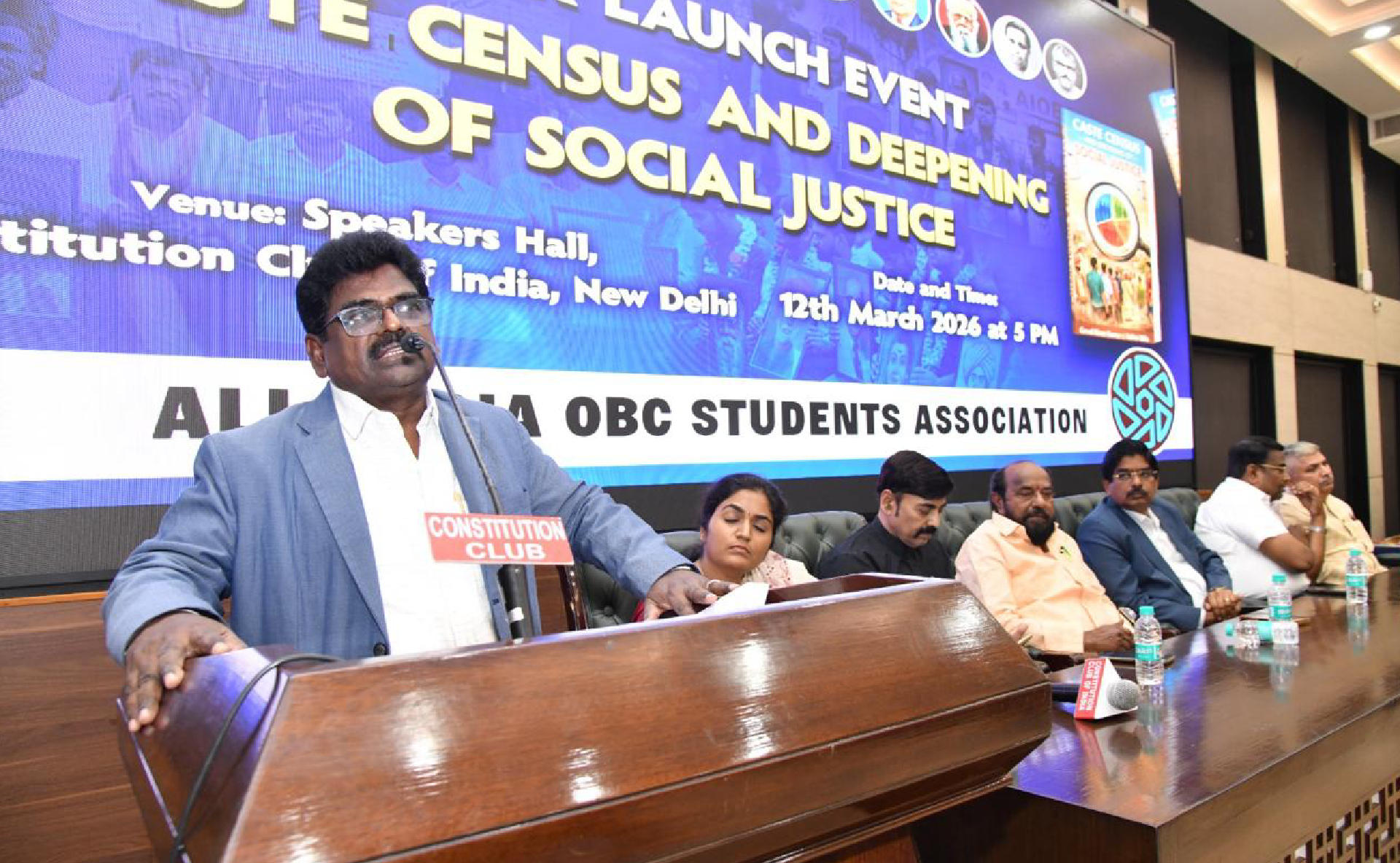
Caste Census & Deepening
of Social Justice
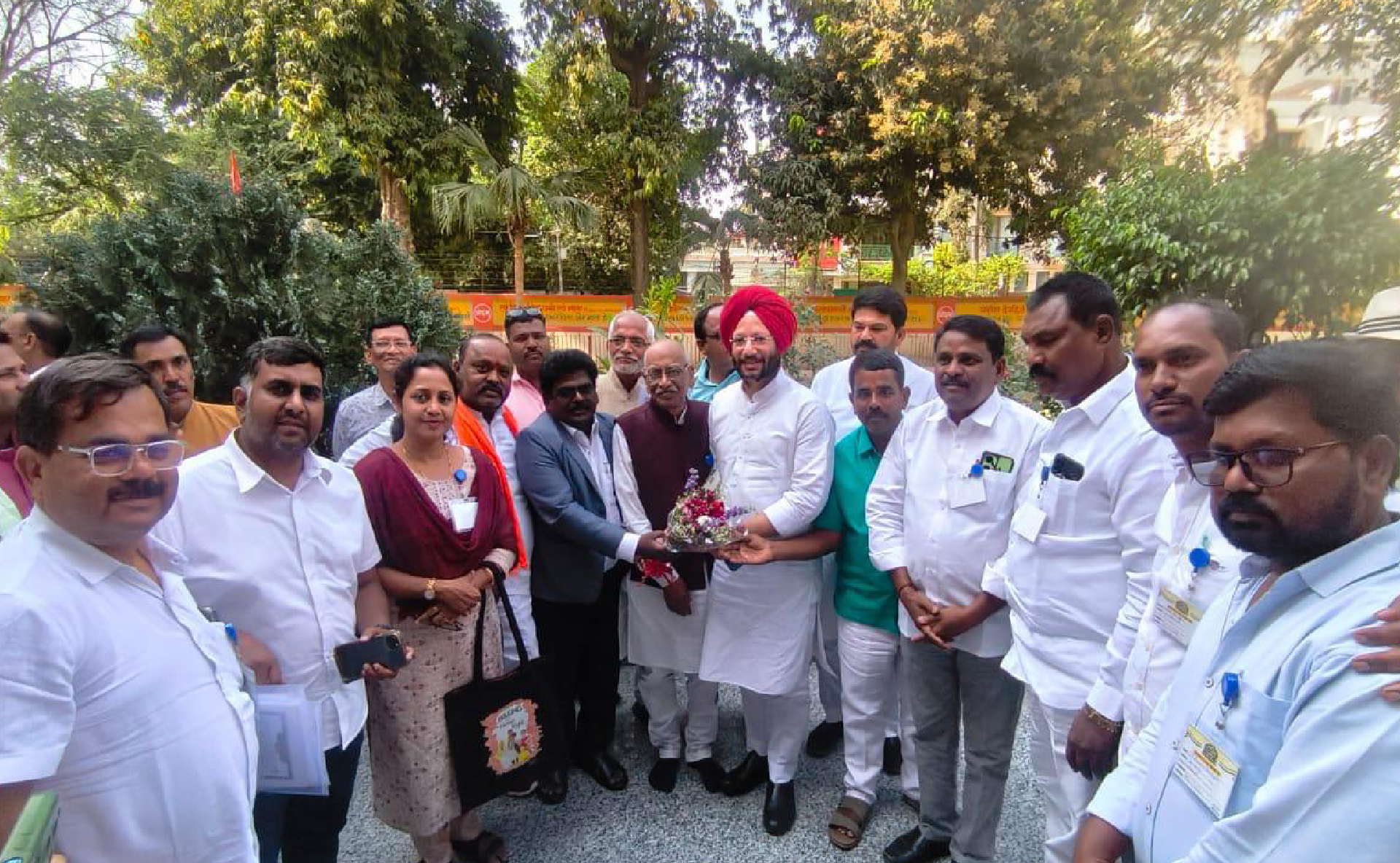
Event
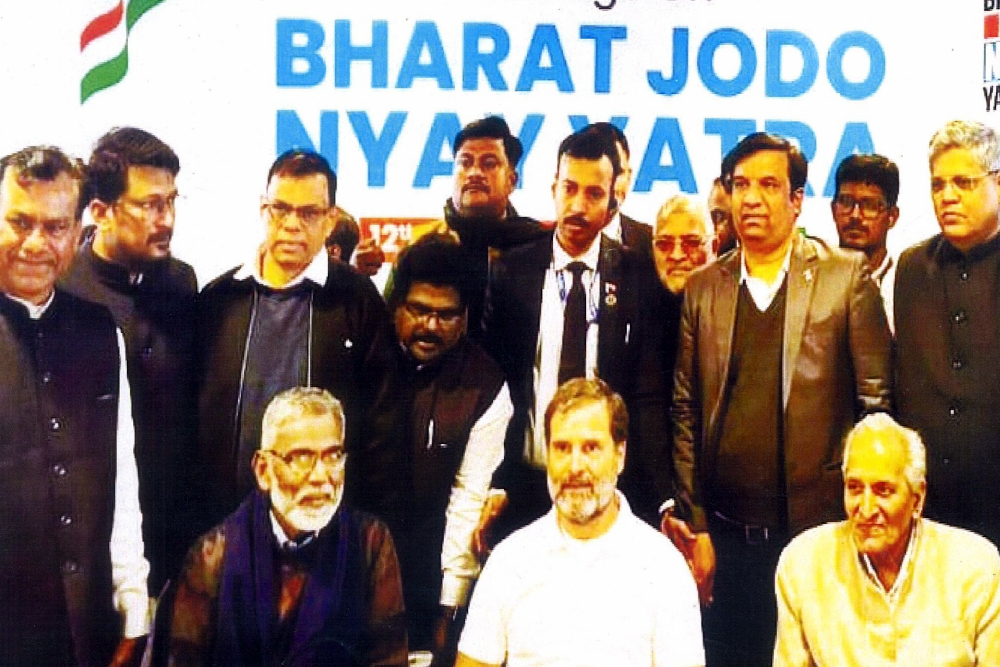
Introduction
India's social fabric has been historically shaped by deeply entrenched caste hierarchies that have, for centuries, denied the majority of its people access to education, employment, political representation, and economic advancement. The Other Backward Classes (OBCs) — comprising more than 52 per cent of India's population according to the Mandal Commission — have long been at the center of one of the most significant social justice movements in the country's post-independence history. It is within this context that the National OBC Intellectual Forum, founded by Alla Rama Krishna, emerges as a vital institution for the intellectual, social, and political empowerment of backward class communities.
The National OBC Intellectual Forum is an organization established with the singular purpose of uniting educated and intellectually inclined individuals from OBC communities to create a powerful platform for advocacy, awareness, research, and policy engagement on issues affecting backward classes. Unlike purely political organizations, the Forum approaches the OBC cause from an intellectual and academic standpoint — championing evidence-based arguments, systematic documentation of backwardness, and the formulation of informed policy demands.

Historical Background
The OBC Movement in India
To understand the significance of the National OBC Intellectual Forum, it is essential to trace the historical arc of the OBC movement in India. The roots of affirmative action for backward classes lie in the colonial era, when reformers like Jyotirao Phule first articulated the demand for representation and education for lower-caste communities. The princely states of Mysore and Kolhapur were among the earliest to introduce reservation for backward communities in the late 19th and early 20th centuries.
FOUNDING AND VISION OF NATIONAL OBC INTELLECTUAL FORUM
The National OBC Intellectual Forum was conceived at a time when backward class communities, despite decades of reservation policies and legal protections, continued to face structural disadvantages in education, employment, and political participation. Its founder, Alla Rama Krishna, recognized a crucial gap: while political organizations and agitation-based groups were abundant, there existed no coherent platform that brought together the intellectual resources of the OBC community — academics, legal professionals, scientists, journalists, bureaucrats, and social scientists — to systematically analyze, document, and advocate for BC interests.
The vision of the Forum, as articulated from its inception, rests on a fundamental belief: that lasting social change for backward classes cannot be achieved through agitation alone. It requires intellectual engagement — research, documentation, litigation, and participation in policy-making. The Forum was built on the conviction that OBC communities possess extraordinary intellectual capital, historically suppressed, which when organized and directed, can transform the social and political landscape of India.
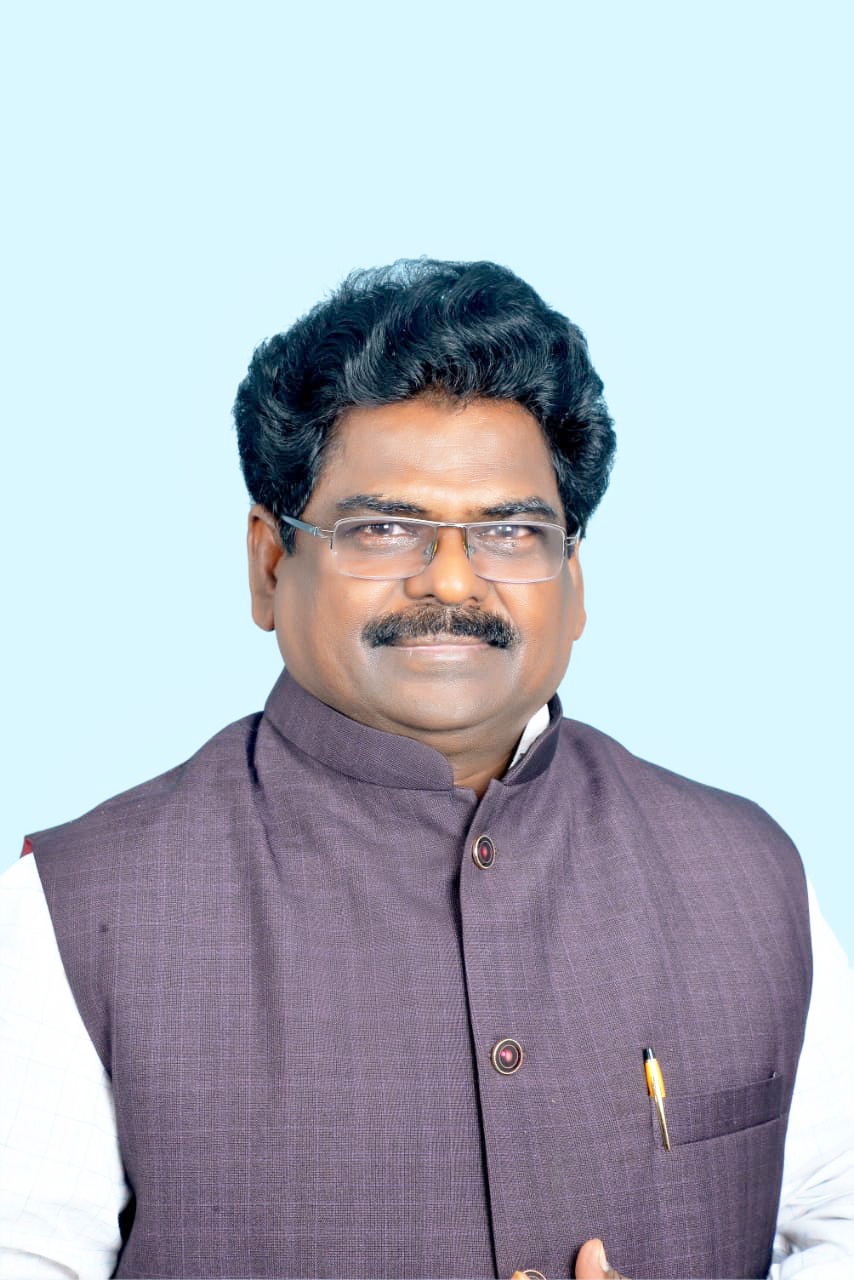
ALLA RAMA KRISHNA — THE FOUNDER
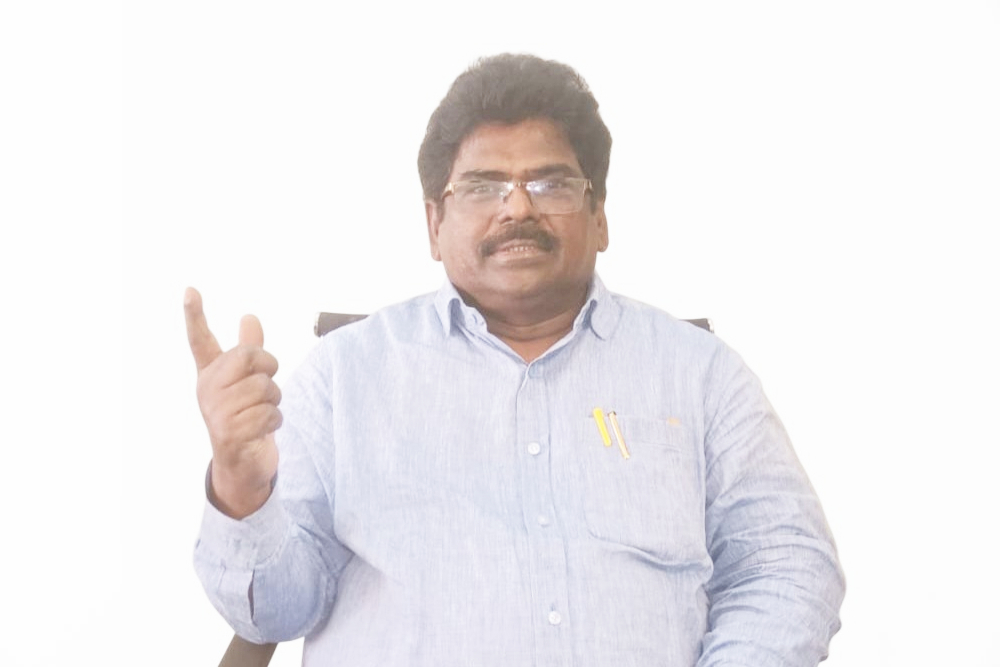
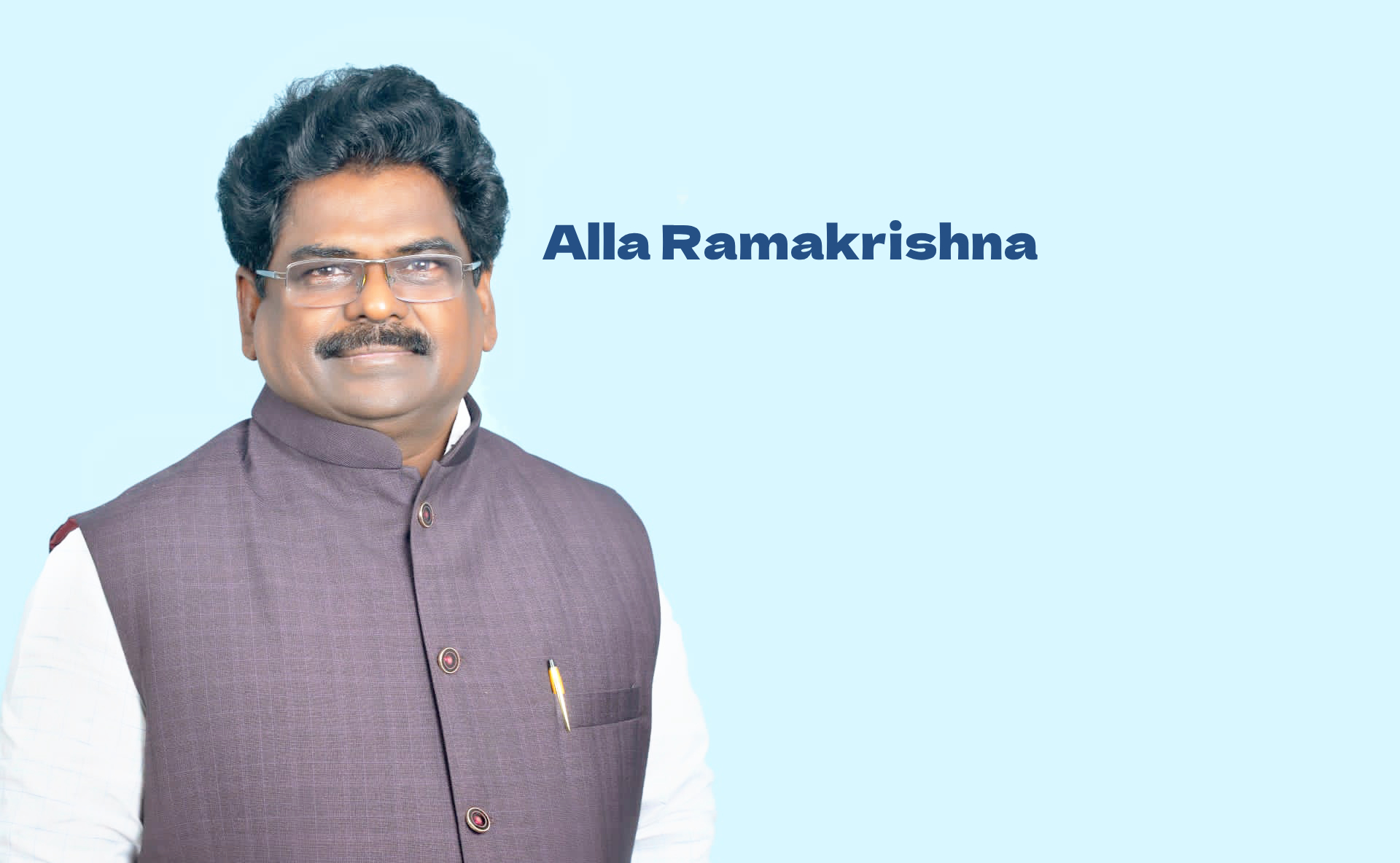
Alla Rama Krishna is a committed social activist and community leader who has dedicated his life to the cause of Other Backward Classes in India. Hailing from Telangana, he brings to the Forum a deep understanding of the social realities faced by backward class communities in the Telugu states and across India. His activism is rooted in both personal experience of social discrimination and a scholarly engagement with the history of the OBC movement.
Alla Rama Krishna's journey as an activist began at the grassroots level, engaging with communities in Telangana who were deprived of the benefits of reservation, education, and social welfare programmes. His exposure to the vast gap between policy on paper and implementation in practice drove him to conceive an organization that would function not merely as a protest platform but as an intellectual powerhouse for the OBC community.
As the founder of the National OBC Intellectual Forum, Alla Rama Krishna has been instrumental in bringing together diverse voices from the OBC community — uniting those from different sub-castes, different professional backgrounds, and different regions — under a single platform. He has consistently emphasized the importance of OBC unity, arguing that fragmentation along sub-caste lines has historically weakened the community's bargaining power.
OBJECTIVES AND MISSION